|
|
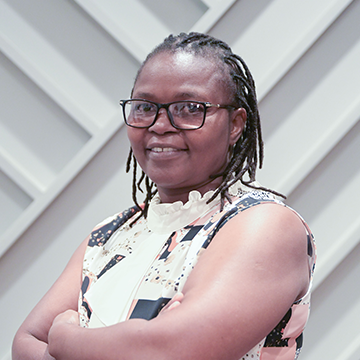
I am Dr. Agness F. Nhidza, a scientific researcher and clinical scientist, registered with the Medical Laboratories and Clinical Scientists Council of Zimbabwe (MLCSCZ). I earned my PhD in Medical Microbiology from the University of KwaZulu-Natal in 2018, focusing on enteric immunology in HIV-infected mother-baby pairs. Currently, I am a Postdoctoral Researcher, leading innovative research on SARS-CoV-2 and Latent TB immunogenomics and pathogenesis. My work is supported by a research fellowship from DELTAS Africa, through SANTHE, which empowers me to explore groundbreaking strategies for disease detection and management. The work also receives some funding from the Trials of Excellence in Southern Africa III (TESA III). Passionate about communicating my science to the communities I serve, I spearhead a public engagement with science project on Latent TB immunogenomics and nutrition, funded by the SFA Foundation. This project is linked to my main research on latent TB immunogenomics and nutrition and enhances science communication, community ownership, sustainable changes and provision of targeted solutions to the community facing LTB challenges. Through research and outreach efforts, I aim to strengthen health outcomes in Zimbabwe, addressing the intersections of infectious diseases, nutrition and immunogenomics, leveraging my experience on laboratory systems strengthening.
COMMUNITY ENGAGEMENT PROJECTS
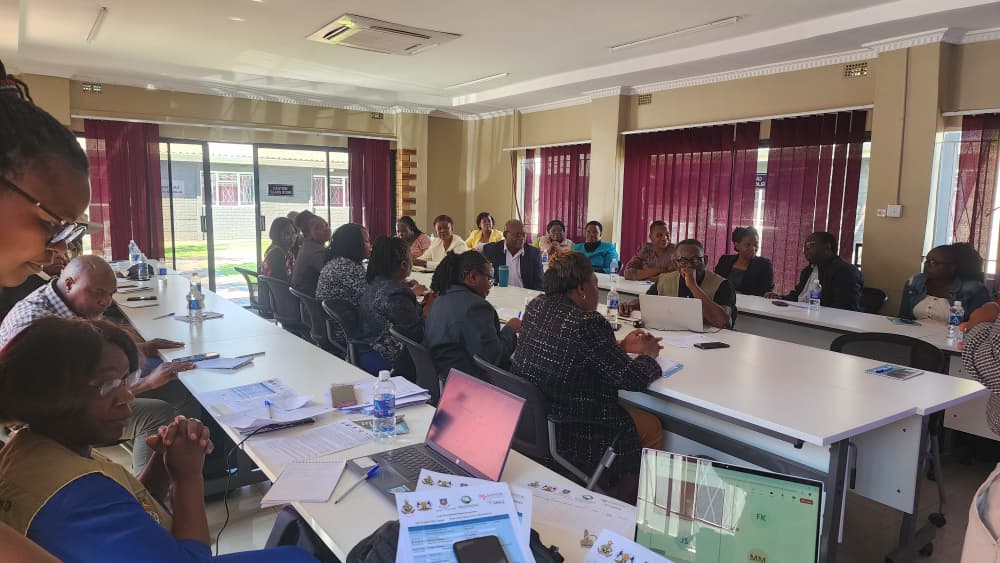
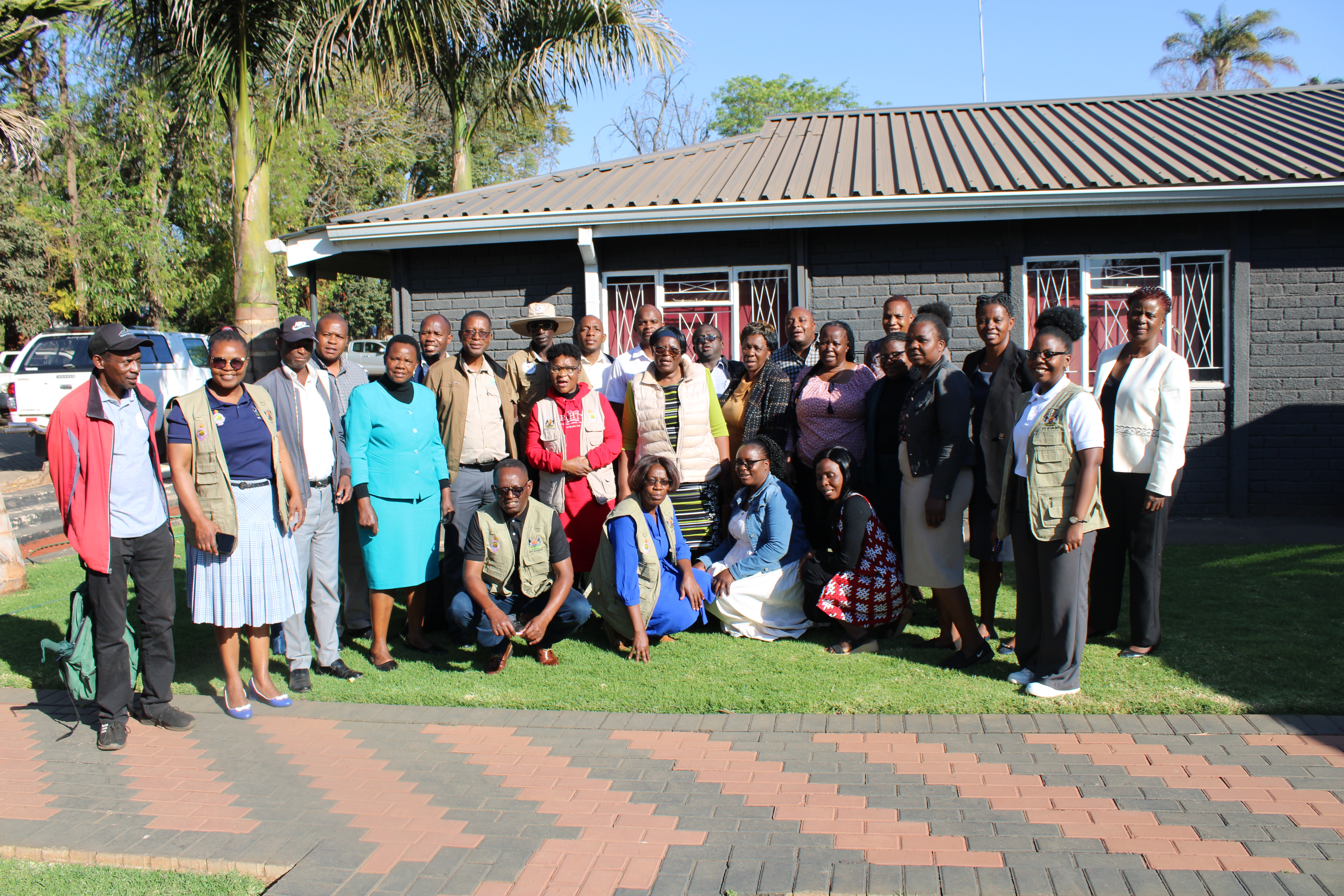
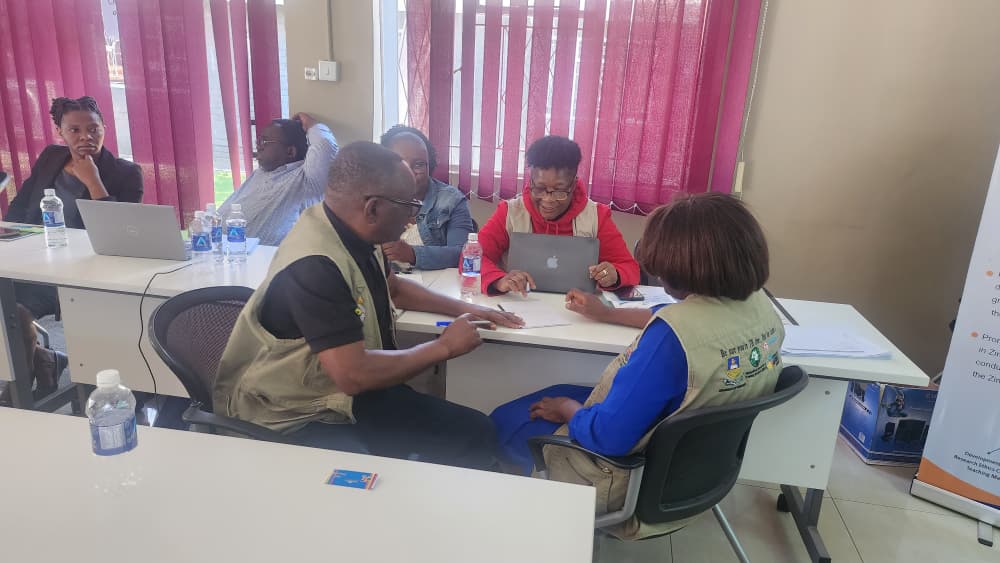
My engagement project is on Latent TB immunogenomics and Nutrition, housed at the University of Zimbabwe Collaborative Clinical Research Centre (UZCCRC) and funded by the Science for Africa Foundation with effect from 1 February 2025. The project outlines a public engagement initiative to gather community perceptions on latent tuberculosis (LTB) and co-design community-focused strategies for its prevention, detection, and management. It aims to explore the connections between LTB infection, immunogenetics, and nutrition. The initiative emphasizes engaging key stakeholders from Harare and surrounding areas through partnerships with public health agencies and TB control programs. Stakeholders that include healthcare professionals, educators, TB advocates, TB caregivers, relevant government ministries and TB survivors will be engaged through round tables. Engagement activities will be focused on understanding community knowledge, perspectives and beliefs around latent TB and the interplay between nutrition and genetics in TB disease. The project will last 24 months, including six months for manuscript preparation, with evaluations conducted through surveys and community feedback.