|
|
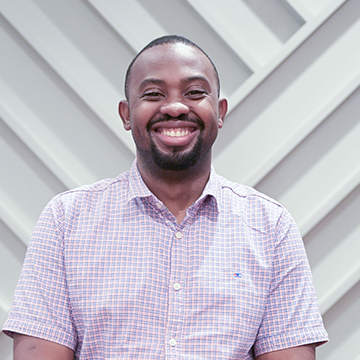
I hold a Master of Science in Biochemistry and a Bachelor of Science degree in Biotechnology and Laboratory Sciences. I am currently a PhD fellow at the Catholic University of Health and Allied Sciences (CUHAS), under the Afrique One Research Excellence for African Challenges in Health consortium, funded by the DELTAS Africa II programme. The focus of my PhD fellowship is assessing the prevalence, clinical characteristics, and associated cardio-metabolic and genetic factors for Latent Autoimmune Diabetes in Adults (LADA) among the population suspected of Type 2 diabetes in Mwanza, Tanzania. The project aims to establish the burden and understanding of LADA and Type 2 diabetes. Furthermore, the project aims to enhance management strategies for patients, ultimately contributing to a reduction in diabetes-related complications and improved health outcomes in the community of Mwanza, Tanzania. The project provides critical laboratory-based methodology and outcomes, which inform clinical diagnosis and management that identify this neglected form of Diabetes Mellitus (LADA) as an independent subgroup. This has motivated the need to translate these research insights into practical, culturally appropriate interventions that may empower communities to be proactive in seeking early screening, improve management, and reduce the burden of T2D and related forms like LADA in Mwanza.
Current Community Engagement project
My engagement project is titled: Empowering communities and patients in the management and prevention of Type 2 diabetes through community ambassadors and artistic expression. The project location is in Mwanza, Tanzania. The project integrates scientific methodology, lived experiences, and community perspectives of a multidisciplinary team of ambassadors, which includes Community Health Workers, local leadership, people with diabetes, and volunteers living in Nyamagana and Ilemela districts of Mwanza. The team, in collaboration with the communities, participates in the co-production of prevention and management strategies of diabetes that are linked to the socioeconomic and cultural context of Tanzanian communities. The project involves organizing community dialogues, focus group discussions, and participatory workshops aimed at exchanging knowledge and creating mutual understanding of effective diabetes prevention measures and management strategies that work best in the local context. The project works with local artists in developing comedies and traditional dances aimed at sparking conversation on diabetes mellitus through an end-of-term exhibition in the local communities. We expect the project to encourage community members to be first-hand advocates of healthy lifestyle choices that are culturally relevant and readily available in the Tanzania community, as well as actively contributing to a policy brief that may inform policy change.