|
|
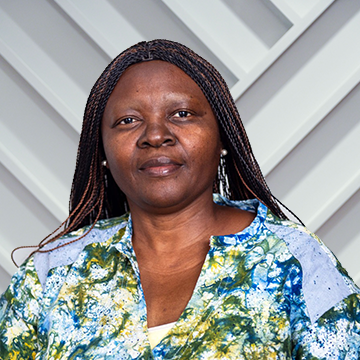
Dr Judith Kamoto is a Professor at Lilongwe University of Agriculture and Natural Resources (LUANAR) Bunda Campus. She holds a PhD with a bias in International and Rural Development. She has over 25 years of experience in university teaching and research. She is a College Director for Bunda campus having risen from the ranks of Departmental and Faculty headship. She is a renowned and proactive researcher who has extensively worked in the field of agriculture, environment, natural resources management, policy analysis, gender and climate change. Her recent research work is on critical zones, under the DELTAS Africa II programme. The critical zones africa (CZA) research is aimed at assessing how lived experiences in Africa’s Anthropocene can support decision-makers in improving habitability in peri-urban areas. The CZA team undertakes the work to develop and test the research tools so as to link bio-, geo- and social sciences, facilitating the emergence of a “biogeosocial science” that can improve African futures by attending to evolving political-ecological conditions in fast-changing environments.
Current Community Engagement Project
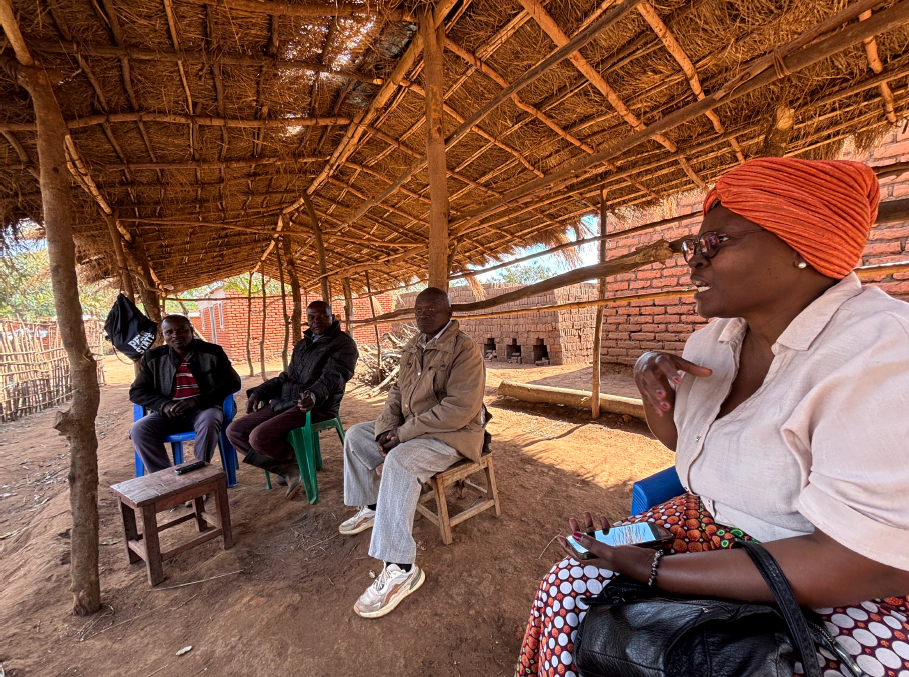
The community engagement research project proposes to enhance institutional support towards mindset and behavioural change among communities and actors in and around Dzalanyama Forest Reserve in Lilongwe, Malawi. The Dzalanyama Forest Reserve is dwindling at an alarming rate, destroying plant, animal, soil and water resources along with livelihoods dependent on the forest. At the core of the destruction of the forests (through charcoal production, firewood and timber collection and expansion of agriculture land) are mindsets and behaviours that perpetuate negative activities. The complexity of the situation requires effective community and stakeholder engagement, which may not be achieved in the wake of limited numbers of Forest and Agricultural Extension workers. E-Extension, through the radio station of LUANAR (LUANAR FM), promises to be an efficient option for fostering the mindset and behavioural change to trigger reversal of degradation and deforestation of Dzalanyama Forest Reserve. Therefore, the current project aims to use radio as a platform for deepening community and stakeholder engagement for mindset and behaviour change towards use of alternative livelihood options and compliance to rules and regulations to reverse deforestation of Dzalanyama Forest Reserve. Specifically, we are (i) Co-developing and co-disseminating radio messages with communities and stakeholders on Dzalanyama forest management; (ii) Identifying Co creating with communities solutions for alternative livelihood options and promoting the livelihood options for communities surrounding Dzalanyama forest reserve and finally we are mobilising communities to engage with authorities and other stakeholders to influence development and compliance to policies and regulations on forest management and utilization.