|
|
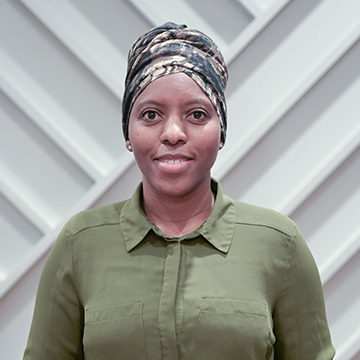
Nothando Ngwenya is a faculty member at the Africa Health Research Institute (AHRI), where her research focuses on the intersection of adversity, chronic illness, and human behaviour—particularly the mental health and resilience of adolescents living with HIV. She is a DELTAS Africa research fellow, with a focus on promoting lived experiences in mental health and HIV research. Her motivation to conduct community engagement is driven by the gaps she observed in how mental health is approached in African contexts. Nothando’s work emphasises the importance of cultural relevance and indigenous knowledge. She advocates for integrating scientific research with community-based support systems to build more holistic and effective approaches to mental health care. Through her work, Nothando aims to reshape how mental health is understood and addressed, centring the voices and experiences of communities while building sustainable, locally driven research capacity. Her motivation is also due to her passion for the development of the next generation of African researchers. Nothando is deeply involved in mentorship and capacity-building initiatives across the continent. As part of this community engagement (CE) project, she currently supports a Postdoctoral Fellow in developing expertise in community-based research and engagement methods.
Current Community Engagement Project
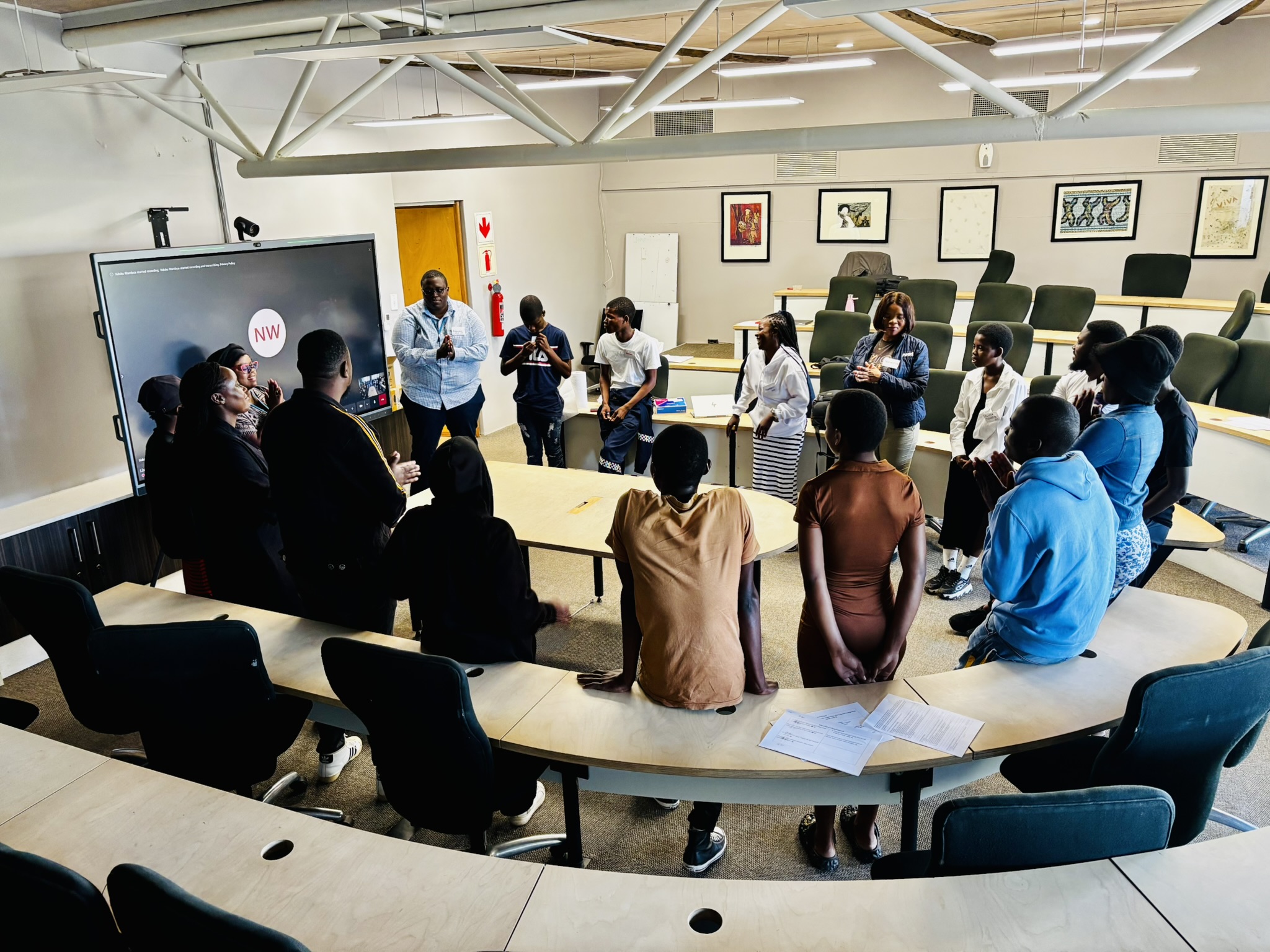
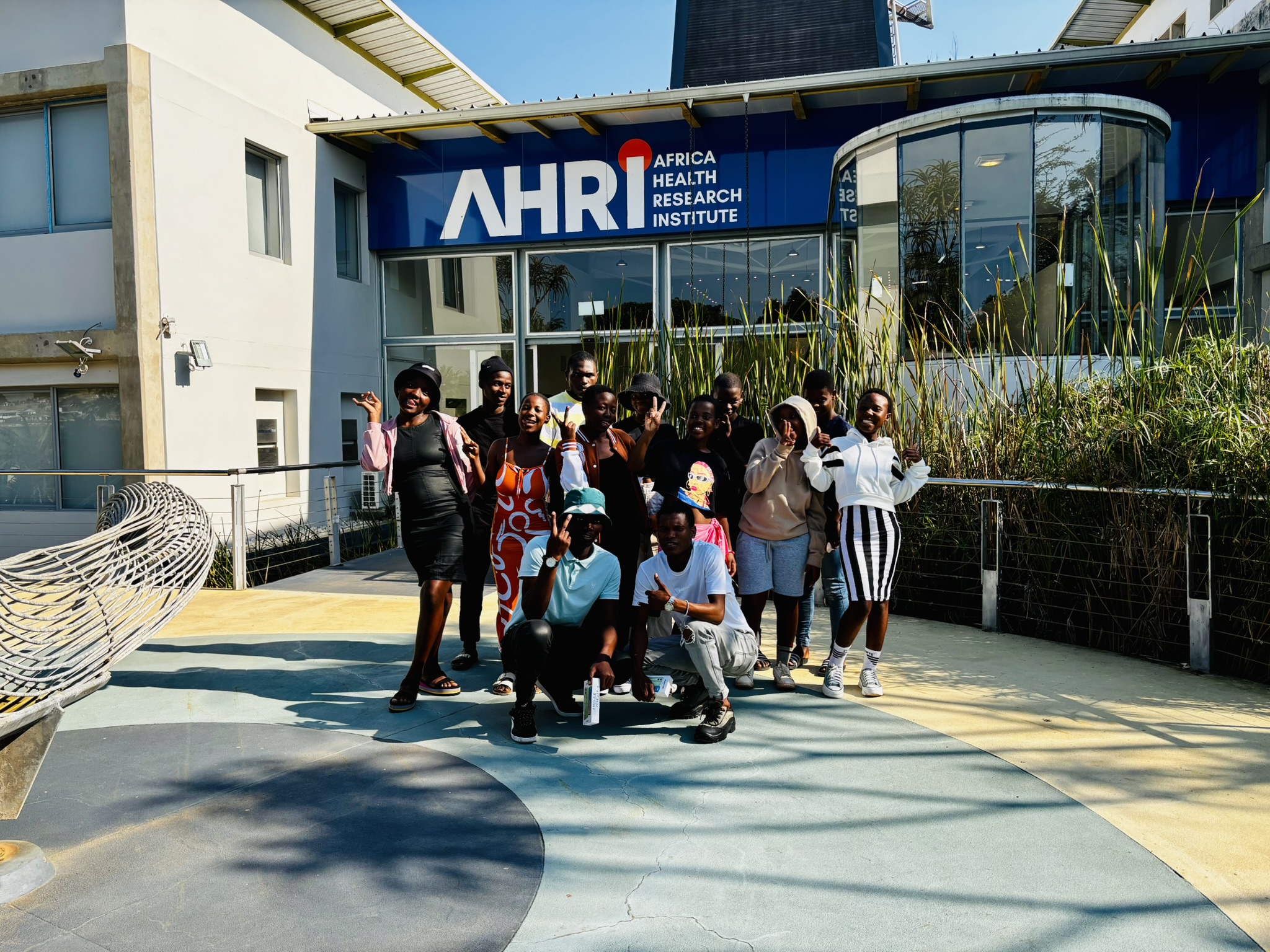
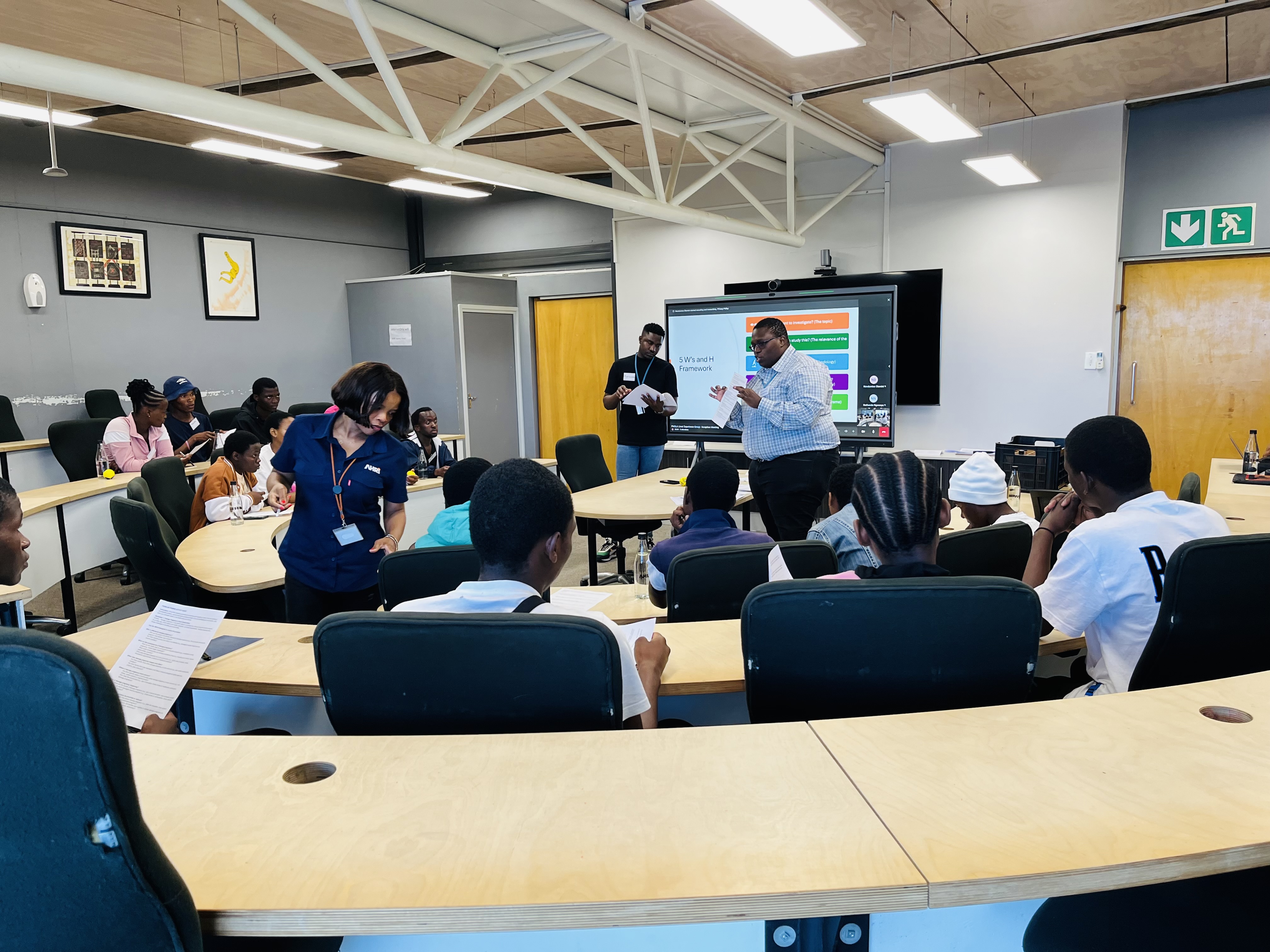
Project title: Promoting Lived Experience in HIV and Mental Health Research. The project focuses on improving adolescent engagement in mental health research within the context of HIV in uMkhanyakude District, KwaZulu-Natal, a rural area facing high HIV prevalence among adolescents, along with persistent challenges related to mental health, stigma, and limited access to youth-responsive services. The CE project has two key aims. Aim 1 assesses the level of youth engagement in participatory research over 12 months, using both quantitative and qualitative methods. It explores how adolescents engage with formats such as hybrid crowdsourcing, World Cafés, and a Learning Collective. These formats encourage creative expression (e.g., essays, poems, drawings), facilitate small-group discussions on youth well-being, and support critical reflection on the broader social and economic forces shaping mental health. Aim 2 seeks to develop a replicable model for meaningful youth engagement. By synthesising insights from participatory processes, including participant feedback and implementation learnings, the project will generate a practical, locally grounded framework. This model aims to guide sustained, inclusive adolescent involvement in research across similar rural and under-resourced settings, using principles from critical pedagogy and community engagement.