|
|

I am a medical doctor trained at the University of Zambia (2004) and hold two MSc degrees from LSHTM in Clinical Trials (2009) and in Infectious Diseases (2017). I am also director at the Center for Family Health Research in Zambia (CFHRZ) and I am the SANTHE site PI. As site PI, I oversee SANTHE research activities at CFHRZ and supervise fellows to ensure they meet their fellowship goals. I am the primary supervisor for two MSc fellows conducting research on adolescent girls and young women (AGYW); specifically, identifying context-specific barriers and facilitators of SRH service uptake, and assessing specialized services for survivors of GBV and their influence on HIV acquisition risk. I am also co-PI on a collaborative project between CFHRZ and the Uganda CWRU Research Collaboration (UCRC) that aims to evaluates whether cytokine kinetics during anti-Tuberculosis treatment could serve as an alternative to sputum cultures for monitoring patients. My motivation to embed community engagement in the two projects with AGYW stems from challenges CFHRZ has identified in traditional research approaches, including: (i) limited involvement of target populations throughout the research life cycle, (ii) low awareness of research among community stakeholders, and (iii) limited visibility of ongoing research activities.
Current Community Engagement project
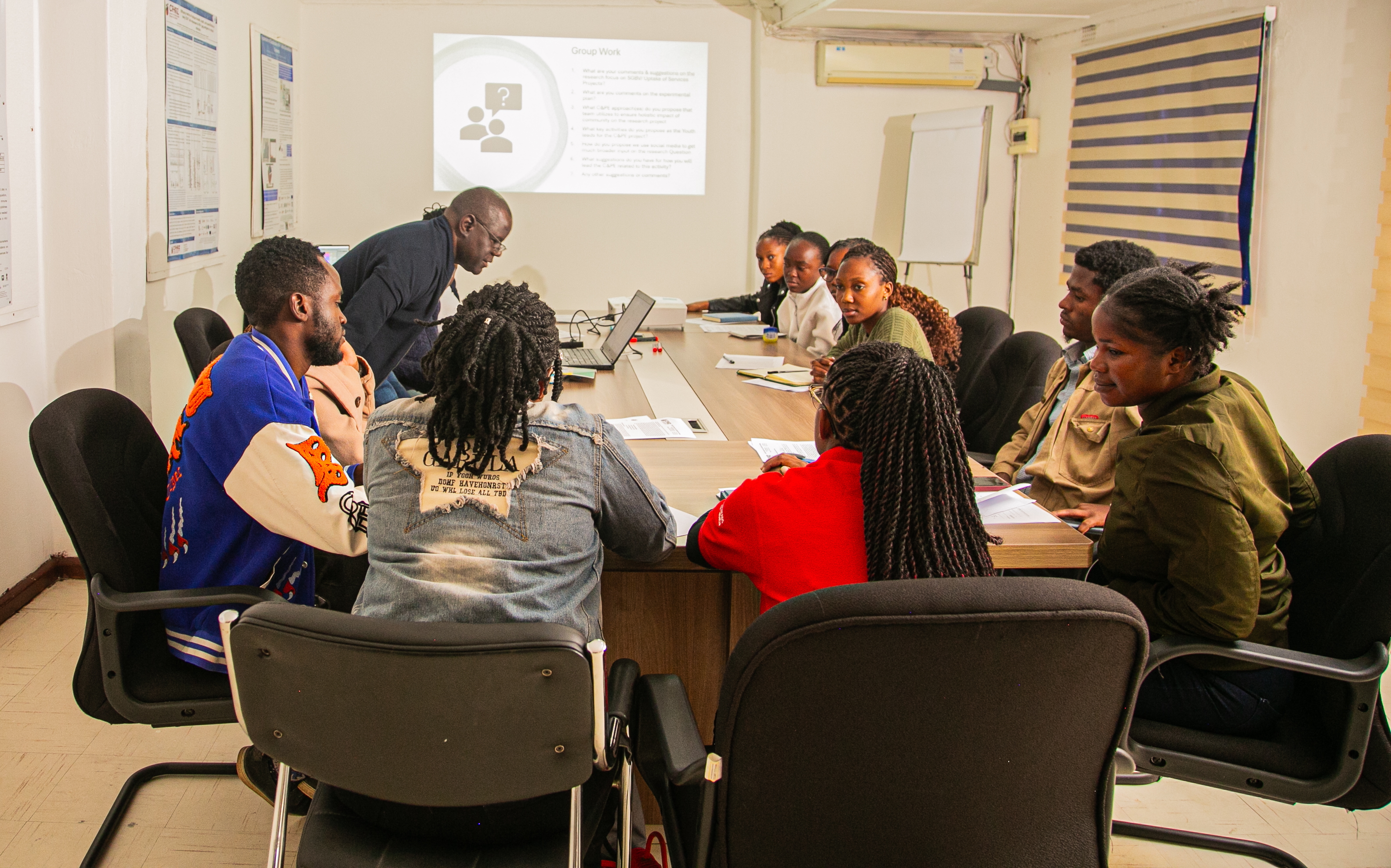
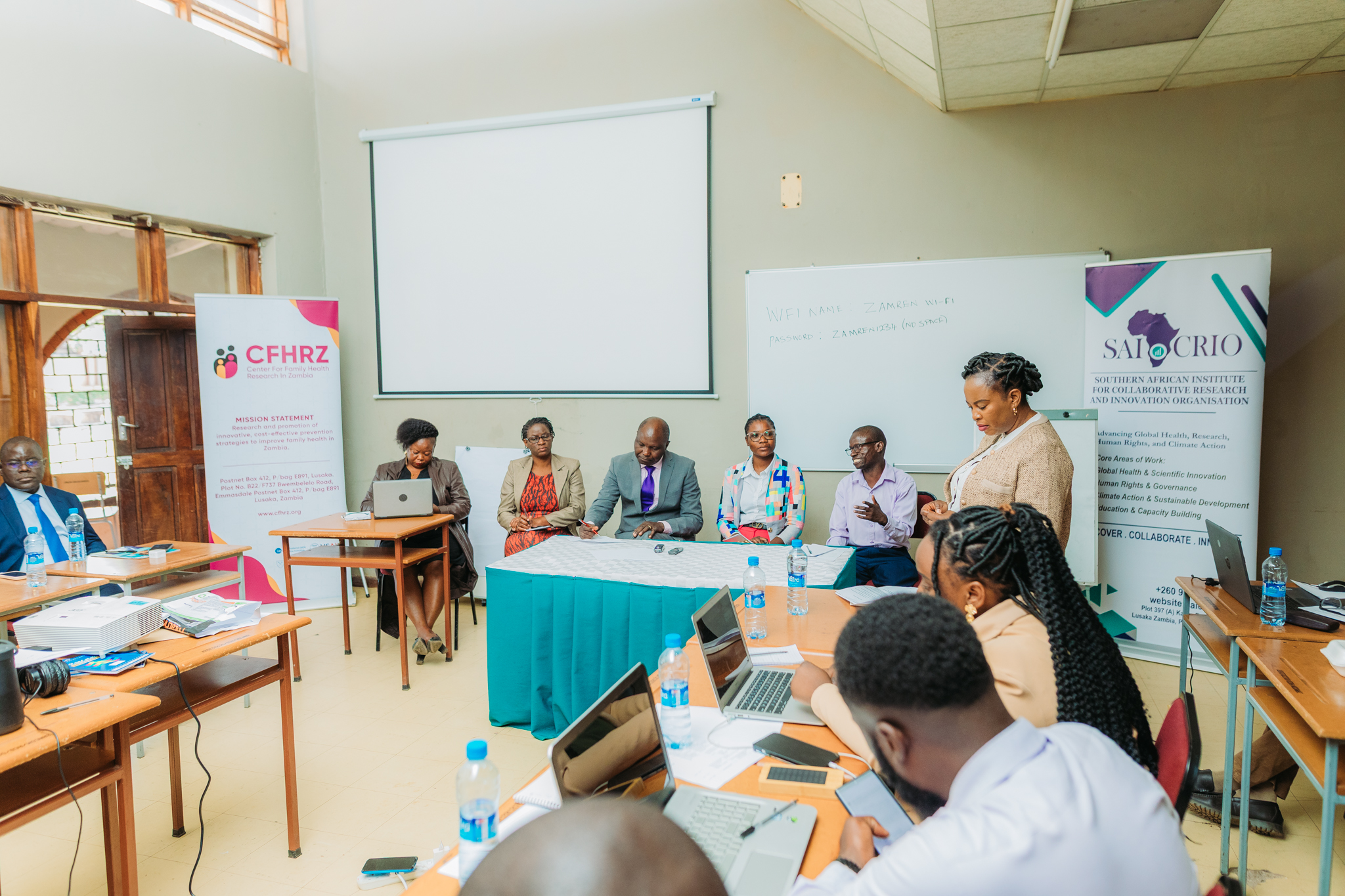
This 12-month Community Engagement and Involvement (CEI) project will run in Lusaka, Zambia from January to December 2025. Its core aim is to embed stakeholder involvement throughout the research life cycle, addressing three key challenges: (i) limited community participation in research, (ii) inadequate representation of youth in studies that directly affect them, and (iii) low visibility of ongoing research activities. The CEI project will support two SANTHE MSc research studies focused on (1) context-specific barriers and facilitators to sexual and reproductive health (SRH) service uptake, and (2) specialized services for survivors of gender-based violence (GBV) and their influence on HIV acquisition risk. Engagement activities will include institutional meetings, focus group discussions, and stakeholder interviews to generate meaningful input. By integrating CEI into these fellowship projects, early-career fellows and youth research assistants will gain first-hand experience of its value, while strengthening relationships between researchers and communities. Ultimately, this project seeks to generate lessons and best practices that will enhance the impact and visibility of health research in Zambia.