|
|

I come from Benin and currently pursuing a PhD in in Animal Health and Production at the University of Abomey-Calavi, under the DELTAS Africa-supported Afrique One-REACH consortium. My doctoral research focuses on the epidemiology, health risks, and economic impacts of brucellosis in small ruminants in Benin. This research work aims to generate evidence to inform control strategies for this neglected zoonotic disease. As a recipient of a DELTAS Africa II research fellowship, I benefit from advanced training, mentorship, and interdisciplinary collaboration, which are essential for building my expertise in One Health approaches to zoonotic disease control. This fellowship has equipped me with strong skills in field epidemiology, laboratory diagnostics, and data analysis, enabling me to contribute to public health interventions at the animal-human interface. My motivation to conduct community engagement stems from the belief that scientific research should directly improve the lives of those most affected by disease.
CURRENT PROJECTS
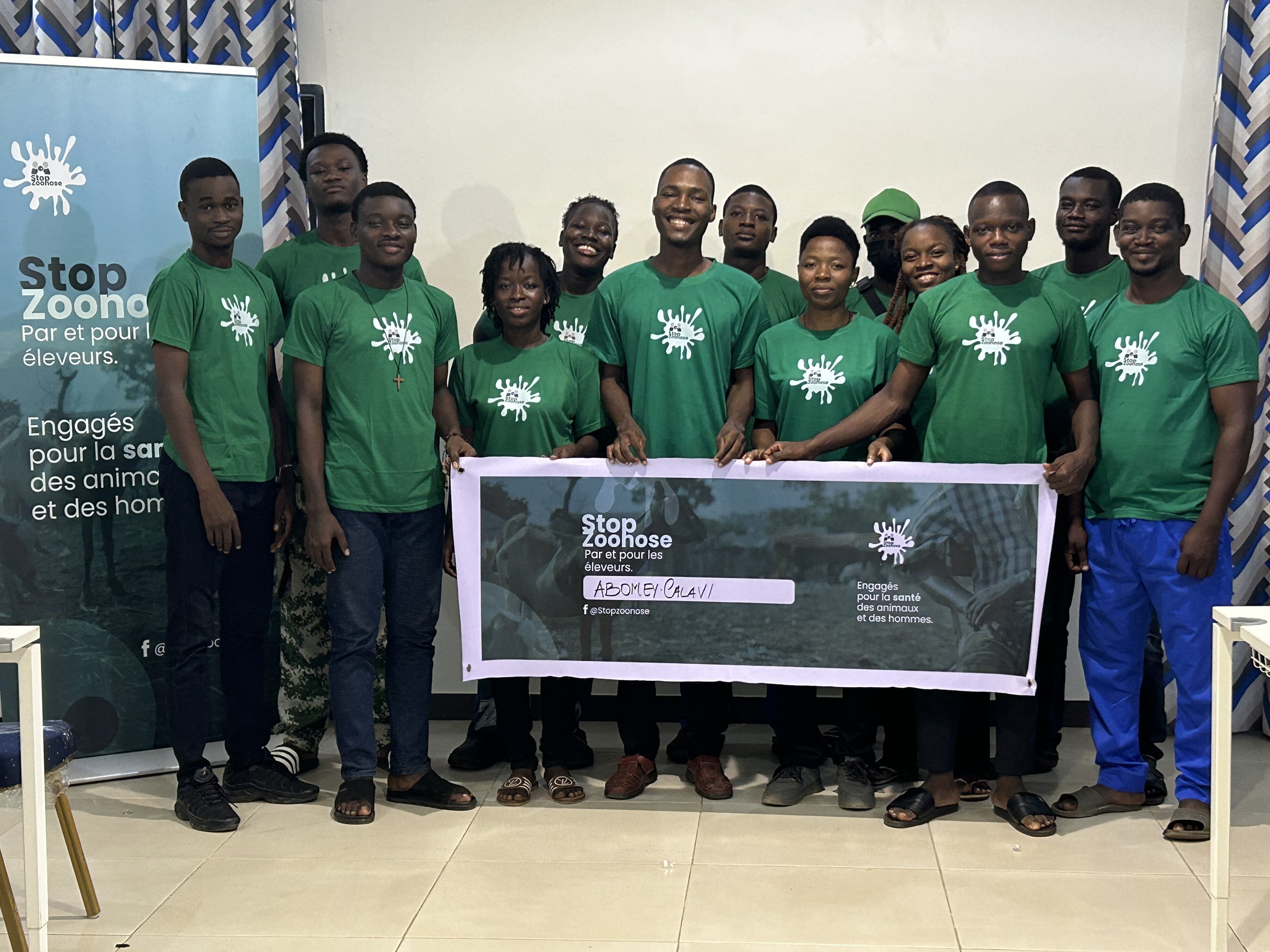
My Community Engagement (CE) project aims to engage smallholder livestock farmers in identifying barriers and co-creating solutions for brucellosis prevention in Benin. Brucellosis, a neglected abortifacient zoonotic disease, causes significant economic losses through reduced animal productivity. Despite its impact, researchers have done little to harness indigenous knowledge to inform measures which are likely to be more effective in controlling the disease. The project is implemented in key small ruminant-producing areas of southern (Abomey-Calavi), central (Dassa) and north (Parakou) Benin, where brucellosis prevalence has been identified through my ongoing doctoral research.
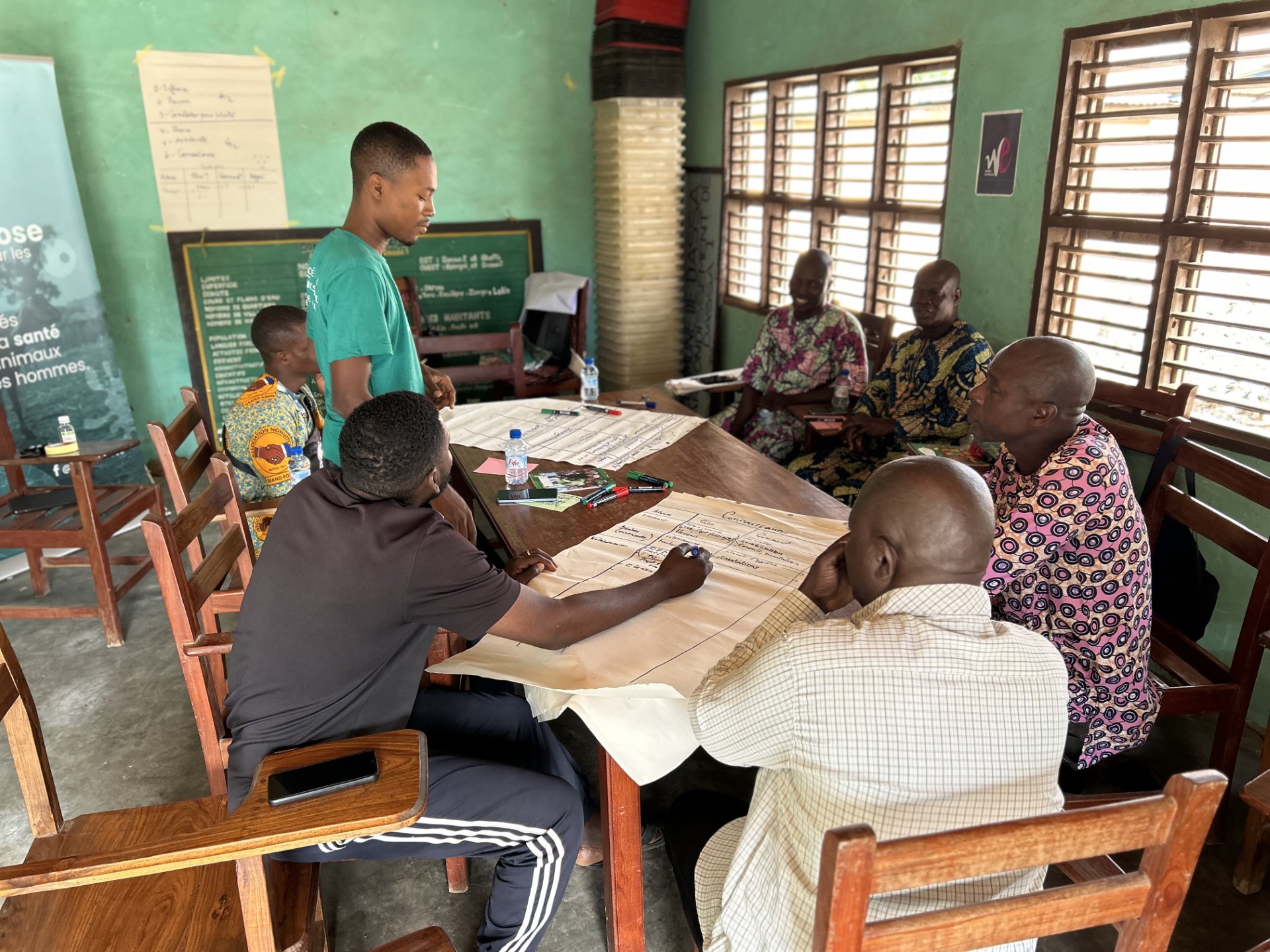
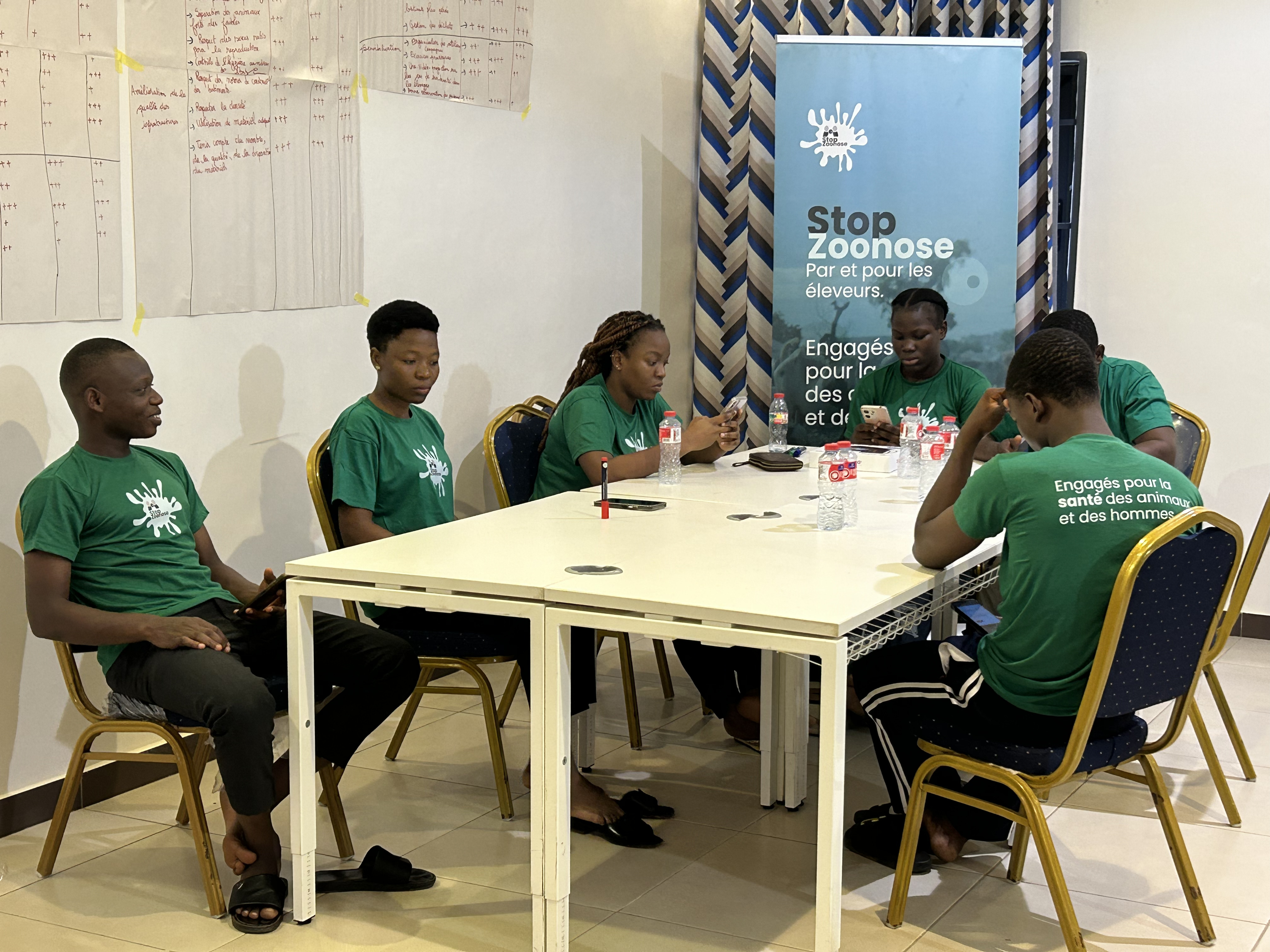
The planned community engagement activities include participatory workshops with farmers, the co-development of culturally adapted risk management procedures, film production and new knowledge sharing with peers. Through participatory workshops, storytelling sessions, and the co-development of culturally adapted risk management procedures, the project facilitates two-way knowledge exchange between researchers, farmers, and local livestock extension officers. By actively involving community members and local stakeholders, the project fosters a sense of ownership and ensures that interventions are practical, sustainable, and responsive to local needs. Ultimately, this CE project bridges the gap between research and practice, contributing to better livestock health, reduced economic losses, and improved livelihoods for farming households in Benin.